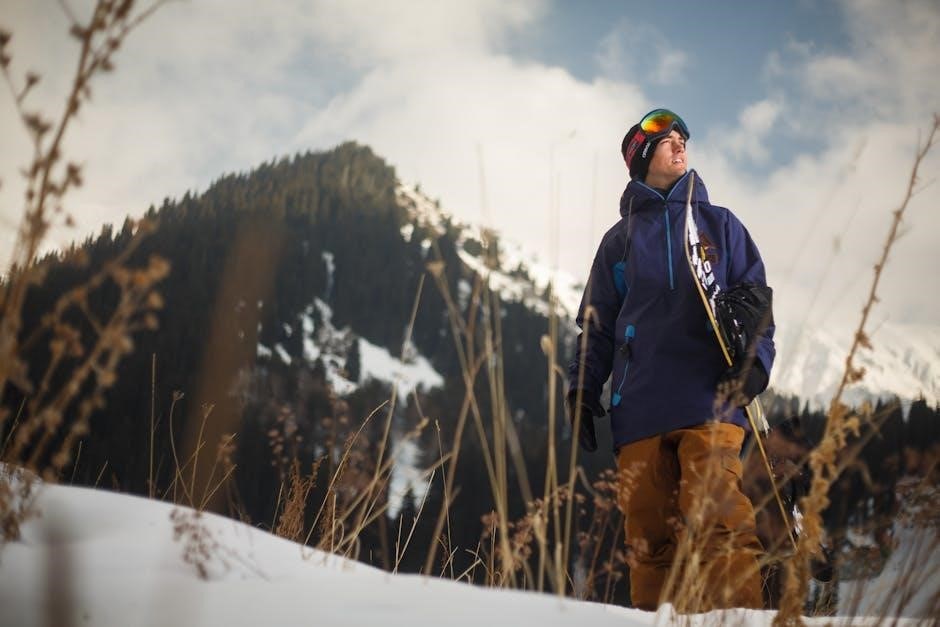
ski goggles lens colour guide
Ski Goggles Lens Colour Guide, Article Plan
Navigating the spectrum of ski goggle lens colours is crucial for optimal performance and safety on the slopes, enhancing visibility and reducing eye strain.
Manufacturers offer diverse tints, blending style with functionality, allowing skiers to tailor their vision to specific weather and terrain conditions.
Understanding base colours and Visible Light Transmission (VLT) empowers informed decisions, ensuring clear sight amidst varying light intensities and snow conditions.
Ski goggle lens colour significantly impacts visibility, adapting to diverse conditions and enhancing contrast on the mountain, reducing glare and eye fatigue effectively.
Choosing the right tint isn’t merely aesthetic; it’s a performance enhancer, optimizing vision for bright sun, overcast skies, or flat, snowy landscapes.
Lens technology balances light reduction with clarity, allowing skiers to spot hazards and navigate terrain with confidence, ensuring a safer and more enjoyable experience.
Why Lens Colour Matters for Skiing
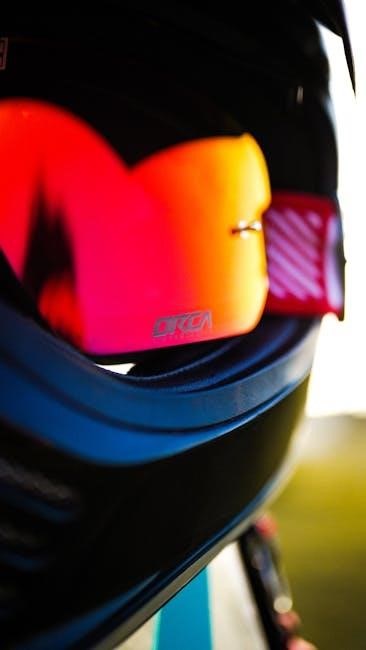
The colour of your ski goggle lens isn’t just about personal preference; it fundamentally alters how you perceive the mountain environment, directly impacting your safety and enjoyment. Different lens colours manipulate light in unique ways, enhancing or diminishing certain visual cues crucial for navigating varied terrain and weather conditions.
Consider that a grey lens provides true colour perception, ideal for bright, sunny days, while a yellow lens excels in low-light situations, boosting contrast when visibility is compromised. Rose or pink lenses offer versatile performance, enhancing contrast in both sunny and cloudy conditions, making them a popular all-around choice.
Furthermore, lens colour influences your ability to discern subtle changes in snow texture, identify icy patches, or accurately judge distances. This is particularly important for advanced skiers tackling challenging slopes. Selecting the appropriate lens colour optimizes visibility, reduces eye strain, and ultimately allows you to react more quickly and confidently to changing conditions, contributing to a safer and more fulfilling skiing experience.
Understanding Visible Light Transmission (VLT)
Visible Light Transmission, or VLT, is a critical metric when choosing ski goggles, representing the percentage of light that passes through the lens. A lower VLT percentage indicates a darker lens, suitable for bright conditions, while a higher percentage signifies a lighter lens, ideal for low-light scenarios.
Generally, lenses with a VLT between 8-18% are best for bright, sunny days, minimizing glare and eye strain. Lenses ranging from 18-43% offer versatility for partly cloudy conditions, while those with a VLT of 43-85% are designed for overcast or snowy days, maximizing visibility when light is limited.
Understanding VLT allows skiers to match their lens to the prevailing weather conditions, ensuring optimal vision and safety. It’s important to note that individual sensitivity to light varies, so considering personal preference alongside VLT recommendations is crucial for a comfortable and effective skiing experience. Choosing the right VLT optimizes contrast and reduces eye fatigue.

Core Lens Colour Options
Essential colours like grey, yellow, and rose/pink form the foundation of ski goggle lens choices, each offering distinct advantages for varied light and terrain conditions.
Grey Lenses: All-Round Visibility
Grey lenses are widely considered the most versatile option for ski goggles, providing excellent all-round visibility in a broad range of conditions. They function by reducing overall brightness without significantly distorting colours, offering a natural viewing experience that’s comfortable for extended periods on the mountain.
These lenses excel in bright, sunny conditions, effectively minimizing glare and eye strain. However, unlike darker tints like black, grey lenses don’t overly dim vision, allowing skiers to maintain good perception of terrain details. This balanced approach makes them suitable for partly cloudy days as well.
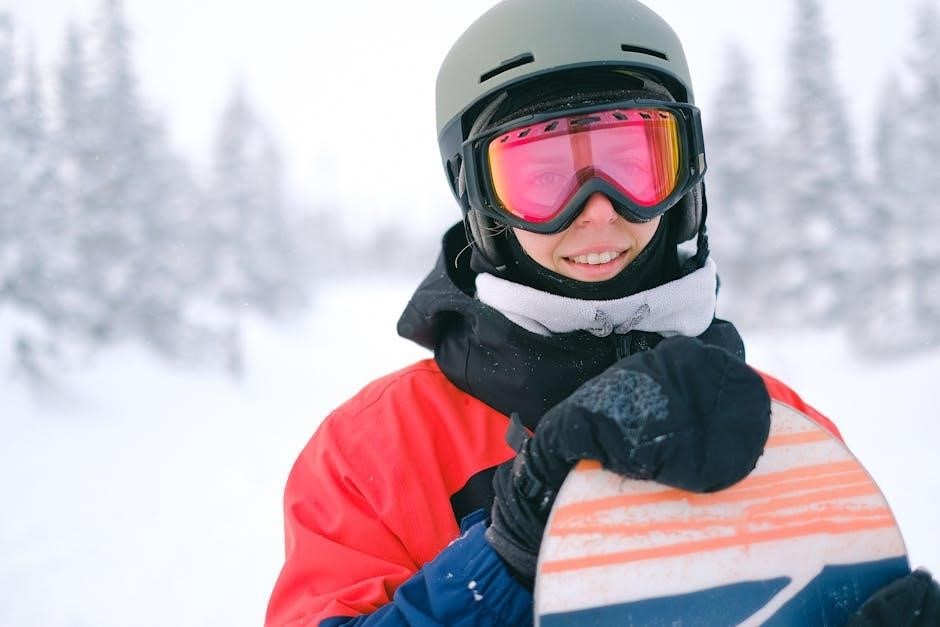
Grey lenses are a solid choice for skiers who prefer a true-to-life colour representation and want a single lens solution that can handle most weather scenarios. They are particularly beneficial for those sensitive to colour distortion, providing a consistent and reliable visual experience throughout the day. They don’t enhance contrast as dramatically as some other colours, but their versatility makes them a popular pick.
Yellow Lenses: Low-Light Champions
Yellow lenses truly shine when visibility is compromised, making them the go-to choice for low-light conditions like overcast days, snowfall, or during twilight skiing. They achieve this by filtering out blue light, which is responsible for haze and glare, thereby increasing contrast and enhancing depth perception.
This heightened contrast allows skiers to discern terrain features and obstacles more easily, even when visibility is poor. Yellow lenses are particularly effective in flat light, where the lack of shadows can make it difficult to judge distances and contours. They essentially brighten the visual field, improving clarity.
However, it’s important to note that yellow lenses can distort colours, making the snow appear whiter and potentially affecting your ability to accurately assess snow conditions. They are not ideal for bright, sunny days as they don’t offer sufficient glare protection. They are best reserved for situations where maximizing visibility in low light is paramount.
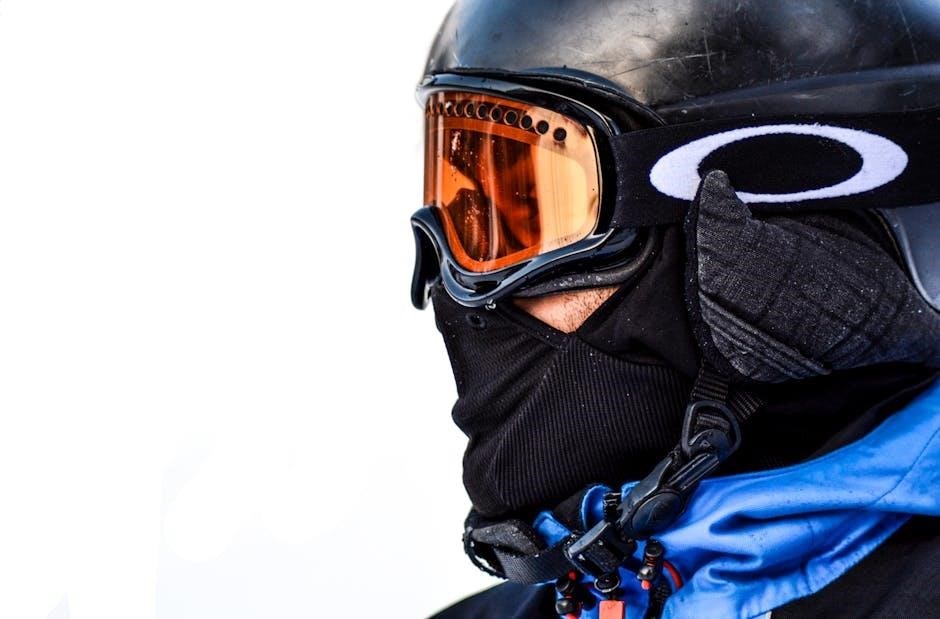
Rose/Pink Lenses: Versatile Contrast Enhancement
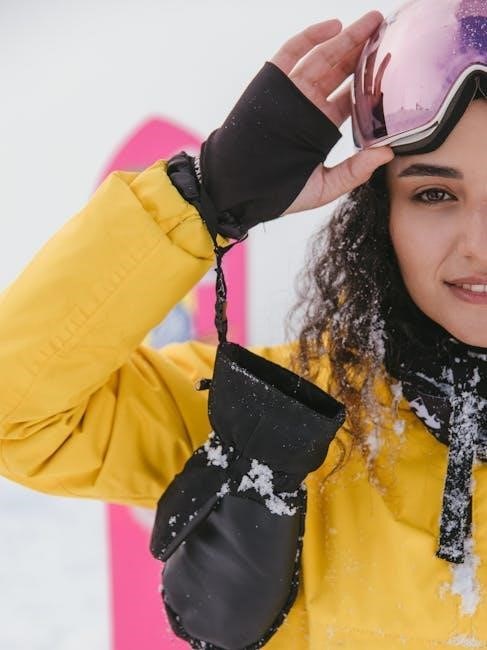
Rose and pink lenses strike a fantastic balance, offering versatile performance across a range of conditions, particularly excelling in partly cloudy or variable light. They provide excellent contrast enhancement, highlighting snow contours and terrain features, allowing skiers to better navigate the slopes.
Unlike darker tints that can diminish overall brightness, rose/pink lenses brighten the visual field while still reducing glare. This makes them a comfortable choice for many skiers, as they don’t overly darken the view. They are particularly effective at improving depth perception, crucial for navigating moguls or uneven terrain.
These lenses are a solid all-around option, suitable for both sunny and cloudy days, though they may not be the absolute best in extremely bright or very low-light conditions. They offer a comfortable and clear visual experience, making them a popular choice for skiers seeking versatility.
Advanced Lens Colour Technologies
Innovations like silvering, polarized filters, and photochromic adjustments elevate goggle performance, optimizing clarity, reducing glare, and adapting to dynamic lighting conditions.
Silver/Mirror Lenses: Balancing Light and Clarity
Silver, or mirrored, lenses represent a sophisticated approach to light management on the mountain. Unlike darker tints that can overly diminish visibility, these lenses skillfully balance light reduction with exceptional clarity. This crucial balance allows skiers and snowboarders to discern subtle details in the terrain, such as icy patches or the contours of moguls, significantly enhancing safety.
The mirrored coating reflects a substantial amount of light, making silver lenses particularly effective in bright, sunny conditions. However, they don’t simply darken the view; they maintain a level of visual acuity that’s often lost with heavily tinted lenses. This makes them a versatile option for a range of conditions, offering protection without sacrificing the ability to read the snow.
Furthermore, the aesthetic appeal of mirrored lenses is undeniable, offering a stylish look alongside their functional benefits. They are a popular choice for skiers who want both performance and a distinctive appearance on the slopes, proving that practicality and style can coexist beautifully.
Blue Lenses: For Flat Light and Snowy Conditions
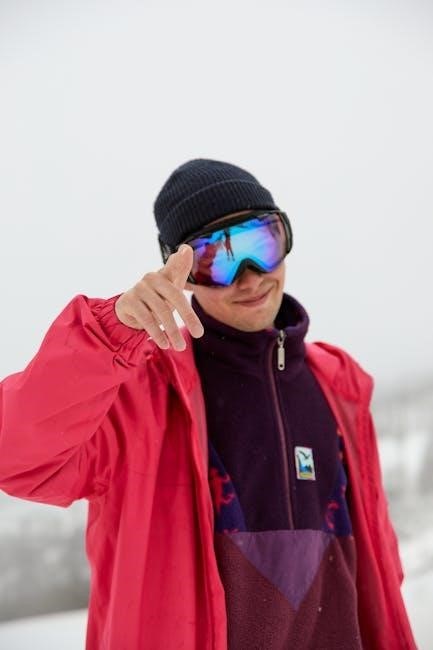
Blue lenses are specifically engineered to excel in challenging, low-contrast environments – namely, flat light and snowy conditions. These conditions often wash out details, making it difficult to perceive terrain changes and potential hazards. Blue lenses combat this by filtering out blue light, which is the dominant wavelength reflected from snow and ice on overcast days.
By reducing this blue light, blue lenses enhance contrast, allowing skiers and snowboarders to see more clearly and react more quickly. This improved visibility is particularly beneficial in foggy or snowy weather, where depth perception can be severely compromised. They help define shapes and contours, making the slope more readable.
While not ideal for bright, sunny days, blue lenses are a crucial addition to any skier’s arsenal, providing a significant advantage when visibility is limited. They optimize visual clarity, reducing eye strain and promoting a safer, more enjoyable experience in less-than-perfect conditions.
Bronze/Copper Lenses: Variable Light Performance
Bronze or copper-tinted lenses represent a versatile option for skiers facing frequently changing light conditions. These lenses excel in their ability to adapt to a broad spectrum of weather, making them a practical choice for all-mountain skiers who encounter diverse terrain and lighting throughout the day.
They offer excellent contrast enhancement, similar to rose or pink lenses, but with a slightly different visual experience. Bronze lenses effectively highlight terrain features and snow contours, improving depth perception and allowing skiers to navigate variable snow conditions with greater confidence. They perform well in both sunny and cloudy conditions.
The colour balance provided by bronze lenses reduces eye strain and provides comfortable vision across a wider range of light intensities, making them a solid all-around choice for those who prioritize adaptability and don’t want to switch lenses frequently.
Lens Colour and Weather Conditions
Selecting the appropriate lens colour is paramount for maximizing visibility and comfort, directly correlating with prevailing weather conditions on the mountain.
Optimal performance hinges on matching lens tint to sunlight, cloud cover, and snow quality for a safe and enjoyable skiing experience.
Bright Sunny Days: Optimal Lens Choices
When the sun blazes on the slopes, reducing glare and eye strain becomes paramount, dictating the ideal lens colour selection for skiers.
Grey lenses consistently emerge as a top choice, offering true colour perception while minimizing overall brightness, providing all-round visibility.
Darker tints, including black and even some silver mirrored options, effectively diminish intense light, enhancing comfort during prolonged sun exposure.
Silver or mirrored lenses are particularly beneficial, balancing light reduction with clarity, allowing skiers to discern subtle terrain features like ice patches.
These lenses don’t overly dim vision, crucial for spotting hazards and maintaining situational awareness at higher speeds.
However, it’s important to note that very dark lenses might not be ideal for variable light conditions, as they can reduce visibility in shadows.
Ultimately, the goal is to find a balance between light reduction and maintaining sufficient clarity to navigate the mountain safely and confidently.
Consider a lens with a VLT (Visible Light Transmission) percentage in the lower range for optimal performance on brilliantly sunny days.
Overcast/Cloudy Days: Maximizing Visibility
On grey, overcast days, the challenge shifts from reducing glare to enhancing contrast and brightening the visual field for skiers.
Rose, pink, and amber lenses excel in these conditions, providing exceptional contrast enhancement and improving depth perception.
These warmer tones filter out blue light, which is prevalent on cloudy days, making snow features and terrain contours more distinct.
Yellow lenses are also a strong contender, particularly effective in low-light situations, boosting brightness and clarity significantly.
However, be aware that yellow lenses can distort colour perception, which might not be ideal for all skiers.
A higher VLT (Visible Light Transmission) percentage is crucial on cloudy days, allowing more light to reach the eyes.
Consider a lens in the 30-60% VLT range to maximize visibility without compromising safety or comfort.
The objective is to choose a lens that cuts through the gloom, revealing the terrain and ensuring a safe and enjoyable skiing experience.
Snowy/Flat Light Conditions: Enhancing Contrast
Snowy and flat light conditions present a unique visual challenge, often washing out terrain details and making it difficult to discern changes in snow texture.
In these scenarios, lenses designed to maximize contrast are paramount for safety and performance on the slopes for skiers.
Rose, pink, and amber lenses are particularly effective, filtering out blue light and enhancing colour differentiation.
Blue lenses are also a viable option, specifically engineered for flat light, improving depth perception and highlighting subtle variations.
These lens colours work by increasing the visual contrast between the snow and surrounding features, making it easier to navigate.
A moderate VLT (Visible Light Transmission) is recommended, balancing brightness with contrast enhancement.
Avoid extremely dark lenses, as they can further reduce visibility in already dim conditions.
The goal is to select a lens that cuts through the haze, revealing the terrain and ensuring a safe and confident skiing experience.
Specific Lens Features & Considerations
Beyond colour, features like photochromic adaptation, polarization for glare reduction, and essential coatings—anti-fog and scratch resistance—significantly elevate goggle performance.
Photochromic Lenses: Adapting to Changing Light
Photochromic lenses represent a remarkable advancement in ski goggle technology, offering unparalleled versatility for skiers facing unpredictable weather conditions. These lenses dynamically adjust their tint based on the intensity of ultraviolet (UV) light, seamlessly transitioning between a lighter state in low-light scenarios and a darker state under bright sunlight.
This adaptive capability eliminates the need to manually switch between different lenses throughout the day, providing continuous optimal vision regardless of changing conditions. When UV exposure decreases, such as when entering tree lines or during overcast weather, the lenses lighten, enhancing visibility and contrast. Conversely, as sunlight intensifies, they darken, reducing glare and protecting the eyes from harmful UV rays.
The convenience and efficiency of photochromic lenses make them an excellent choice for skiers who prioritize adaptability and ease of use. They are particularly beneficial for all-mountain skiers who encounter a wide range of lighting conditions during a single run, ensuring clear and comfortable vision throughout their descent.
Polarized Lenses: Reducing Glare
Polarized lenses are a crucial feature for skiers seeking to minimize glare and enhance visual clarity, particularly in bright, sunny conditions or when skiing on snow-covered surfaces. These lenses incorporate a special filter that blocks horizontally polarized light, which is the primary cause of glare reflected from snow, ice, and water.
By eliminating this reflected light, polarized lenses significantly reduce eye strain, improve contrast, and provide a more comfortable viewing experience. This allows skiers to perceive terrain features and potential hazards with greater accuracy, enhancing safety and performance. The reduction in glare also contributes to a more vivid and natural visual experience, allowing skiers to fully appreciate the beauty of the mountain landscape.
While exceptionally effective in bright conditions, it’s important to note that polarized lenses can sometimes interfere with the visibility of LCD screens, such as those found on lift ticket scanners or smartphone displays.
Lens Coatings: Anti-Fog and Scratch Resistance
Beyond the tint itself, lens coatings play a vital role in maintaining optimal visibility and extending the lifespan of your ski goggles. Anti-fog coatings are paramount, preventing condensation from forming on the inner lens surface, which can severely impair vision. These coatings work by creating a hydrophilic layer that causes moisture to spread evenly across the lens, rather than forming droplets.
Equally important is scratch resistance. Skiing exposes goggles to abrasive elements like snow, ice crystals, and even accidental impacts. Durable coatings protect the lens from scratches, preserving clarity and preventing long-term damage. Many high-end goggles feature multiple layers of coating for enhanced protection.
Investing in goggles with quality coatings ensures consistent performance and reduces the need for frequent replacements, ultimately providing a better value and a safer, more enjoyable skiing experience.
Choosing the Right Lens for Your Skiing Style
Selecting the ideal lens colour hinges on your preferred skiing discipline – freeride, park, or alpine – each demanding specific visual enhancements for optimal performance.
Lens Colour for Freeride Skiing
Freeride skiing, encompassing off-piste adventures and variable terrain, demands lenses prioritizing adaptability and contrast. Given unpredictable light conditions in backcountry environments, a versatile lens is paramount.
Rose or pink lenses excel in these scenarios, providing excellent contrast enhancement, particularly effective at highlighting snow contours and terrain features, crucial for navigating uneven surfaces and identifying potential hazards;
Grey lenses, while offering all-round visibility, can be beneficial on brighter days within freeride settings, reducing overall brightness without significantly distorting colours. However, they may lack the contrast-boosting capabilities needed in flatter light.
Consider a photochromic lens for ultimate flexibility, automatically adjusting to changing light levels throughout the day, eliminating the need for lens swaps during extended backcountry excursions. Prioritize clarity and the ability to discern subtle changes in snow texture for safe and confident freeriding.
Ultimately, the best choice depends on the typical light conditions of your freeride location, but versatility and contrast are key considerations.
Lens Colour for Park Skiing
Park skiing, characterized by jumps, rails, and a focus on visual precision, benefits from lenses that maximize clarity and depth perception. Bright, sunny conditions are common in terrain parks, demanding lenses that effectively reduce glare without compromising visibility.
Silver or mirrored lenses are an excellent choice, balancing light reduction with exceptional clarity, allowing park skiers to spot subtle features like rail edges or landing transitions. They help users identify small hazards like ice patches.
Grey lenses also perform well in bright sunlight, providing a neutral tint that doesn’t distort colours, crucial for accurately judging distances and assessing feature shapes.
Avoid excessively dark lenses, as they can diminish depth perception and hinder the ability to spot landings. Prioritize lenses with high VLT for overcast days or when skiing in shaded areas of the park.
Ultimately, clarity and the ability to discern details are paramount for safe and stylish park performance.
Lens Colour for Alpine Skiing
Alpine skiing, encompassing a wide range of conditions from groomed runs to variable terrain, requires versatile lens options. Skiers encounter shifting light levels throughout the day and varying snow conditions, demanding adaptability.
Rose or pink lenses are highly recommended for alpine skiers, offering excellent contrast enhancement in partly cloudy or variable light. They effectively highlight snow contours and terrain features, improving depth perception and safety.
Grey lenses remain a solid choice for consistently bright, sunny days, providing neutral vision and reducing overall brightness without significant colour distortion.
Consider photochromic lenses for ultimate versatility, automatically adjusting to changing light conditions. These lenses are ideal for alpine skiers who experience diverse weather patterns during a single run.
Prioritize lenses that minimize eye strain and maximize visibility across a broad spectrum of alpine environments.