
polaroid snap user guide
Polaroid Snap offers instant photo printing and sharing, blending classic appeal with modern convenience․ This user guide details features, operation, and troubleshooting․
What is the Polaroid Snap?
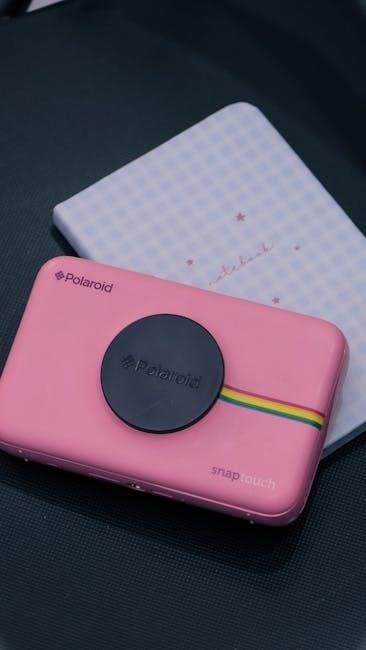
The Polaroid Snap is a compact digital camera designed for instant gratification․ Unlike traditional instant cameras, it utilizes ZINK (Zero Ink) technology, eliminating the need for messy ink cartridges․ It captures photos digitally and prints them immediately onto sticker-backed paper, offering a fun and portable photography experience․
Key Features and Benefits
The Polaroid Snap boasts zero-ink printing via ZINK technology, a 10MP camera, and a microSD card slot for expanded storage․ Benefits include instant sharing, sticker-backed prints for creative displays, and a compact, portable design․ It offers photo, video, and selfie modes for versatile capture options․

Getting Started with Your Polaroid Snap
This section guides you through unboxing, charging, and setting up your Polaroid Snap․ Ensure you have all components and a formatted microSD card ready․
Unboxing and Package Contents
Carefully open the Polaroid Snap box and verify all items are present․ You should find the camera itself, a USB charging cable, a quick start guide, and importantly, a sample pack of ZINK Zero Ink paper․ Check for any visible damage during shipping․ Retain the packaging for potential returns or warranty claims․
Charging the Device
To charge your Polaroid Snap, connect the included USB cable to the camera’s port and a powered USB source․ The indicator light will illuminate, typically red while charging, and change to green when fully charged․ A full charge usually takes approximately 2-3 hours, providing ample power for numerous prints․
Inserting the MicroSD Card
The Polaroid Snap requires a MicroSD card (not included) for storing photos and videos․ Locate the MicroSD card slot, gently insert the card until it clicks into place․ Ensure the card is properly seated for reliable data storage․ The camera supports MicroSD cards up to 32GB․
Understanding the Camera Interface
The Polaroid Snap features intuitive controls: a power button, mode selector, and a simple menu system for adjusting settings and reviewing captured content․
Power Button and Indicator Lights
The power button initiates the Polaroid Snap, indicated by a solid LED․ A blinking light signals charging or a full memory card․ Press and hold for power on/off․ Different colored lights may indicate various operational states, like low battery or printing status, offering quick visual feedback․
Mode Selection (Photo, Video, Selfie)
The Polaroid Snap features three primary modes: Photo for standard pictures, Video for recording short clips, and Selfie mode utilizing the front-facing camera․ Easily switch between modes using the dedicated mode button․ Each mode optimizes camera settings for the best possible results, enhancing your creative options․
Navigating the Menu
The Polaroid Snap’s menu, accessed via the button interface, allows customization of settings like image quality, date/time, and language․ Use the directional buttons to scroll through options and confirm selections․ The menu provides control over various camera functions, tailoring the experience to your preferences․
Taking Photos with the Polaroid Snap
Polaroid Snap captures moments easily! Frame your shot, focus, and press the shutter button․ Utilize the flash for low-light conditions and explore creative filters․
Focusing and Composition
Polaroid Snap employs a fixed focus lens, ideal for quick snapshots․ Center your subject for optimal clarity, as the focus range is best within a few feet․ Experiment with different angles and perspectives to enhance your compositions․ Remember simple rules like the rule of thirds for visually appealing images․
Using the Flash
The Polaroid Snap features a built-in flash for low-light conditions․ Press the flash button to cycle through modes: Auto, Fill Flash (forces on), and Off․ Auto mode is generally recommended for balanced lighting․ Fill flash brightens shadows, while turning it off preserves natural ambient light․
Applying Filters
The Polaroid Snap allows creative expression through built-in filters! Access these via the camera’s menu․ Options typically include Black & White, Sepia, and Vivid․ Experiment to achieve desired aesthetic effects before printing․ Filters are applied in real-time on the LCD screen for previewing․
Printing Photos
Polaroid Snap utilizes ZINK technology for zero-ink printing․ Load ZINK paper, select a photo, and initiate printing via the camera’s interface for instant results!
Loading ZINK Paper
ZINK paper packs slide into the Polaroid Snap with the blue side facing down․ Ensure the pack is securely seated within the camera; a proper fit is crucial for successful printing․ The camera detects the paper, displaying readiness․ Avoid forcing the pack, and only use official Polaroid ZINK paper․
Initiating the Printing Process
After capturing or selecting an image, press the print button on the Polaroid Snap․ The camera will automatically begin printing onto the ZINK paper․ The print emerges slowly; avoid touching it during this process; Printing time is typically under a minute, delivering a sticker-backed photo․
Troubleshooting Printing Issues
If printing fails, ensure ZINK paper is loaded correctly and isn’t expired․ Check the camera’s display for error messages․ Restarting the Polaroid Snap can resolve minor glitches․ If issues persist, try a different pack of paper or contact Polaroid support for assistance․

Shooting Videos
The Polaroid Snap captures videos in various resolutions․ Easily start and stop recording, then review or delete footage directly on the device․
Video Recording Modes and Resolutions
The Polaroid Snap typically offers standard video recording capabilities․ Resolutions may include options like 720p or 1080p, depending on the specific model․ Check your camera’s settings to select the desired quality․ Shorter video clips are generally recommended due to storage limitations on the microSD card․ Experiment with different settings to achieve optimal video quality for your needs․
Starting and Stopping Video Recording
To begin recording, switch to Video mode on your Polaroid Snap․ Press the shutter button once to start, and again to stop recording․ The camera’s indicator light will typically illuminate during recording․ Review your videos immediately to ensure proper capture․ Be mindful of the microSD card’s capacity when recording longer clips․
Reviewing and Deleting Videos
After recording, access the video playback mode through the camera’s menu․ Use the navigation buttons to scroll through your saved videos․ To delete unwanted footage, select the video and confirm the deletion prompt․ Ensure you regularly transfer videos to a computer to free up space on the microSD card․

Selfie Mode and Mirror
Selfie Mode activates the front camera and mirror for self-portraits․ This feature ensures proper framing and composition for quick, fun, and shareable photos․
Activating Selfie Mode
To engage Selfie Mode on your Polaroid Snap, press the Mode button until the selfie icon appears on the display․ This switches the camera to the front-facing lens, ideal for self-portraits․ Ensure adequate lighting for optimal image quality․ The integrated mirror assists with framing your shot, guaranteeing a centered and well-composed selfie every time․
Using the Selfie Mirror
The Polaroid Snap features a built-in mirror located near the front camera․ This small reflective surface allows you to preview your framing when using Selfie Mode․ Glance at the mirror while composing your shot to ensure you’re centered and achieve the desired pose․ It’s a simple yet effective tool for perfect selfies!

Advanced Settings and Customization
Explore options to personalize your Polaroid Snap! Adjust image quality, set the correct date and time, and select your preferred language within the menu․
Adjusting Image Quality
The Polaroid Snap allows for some image quality adjustments within its settings menu․ While not offering extensive manual controls, users can typically select between different resolution options for photos․ Higher resolutions capture more detail, resulting in larger file sizes and potentially better print quality․ Lower resolutions are suitable for quick sharing and conserve storage space on your microSD card․ Experiment to find the balance that best suits your needs!
Setting the Date and Time
Accurate date and time stamping is crucial for organizing your Polaroid Snap photos․ Access the camera’s menu to locate the date/time settings․ You’ll generally be able to manually adjust the year, month, day, hour, and minute․ Ensure correct settings for proper photo organization and chronological viewing on your computer or when sharing․
Language Options
The Polaroid Snap camera interface may offer multiple language options to cater to a global user base․ Within the camera’s settings menu, navigate to the “Language” section․ Select your preferred language from the available list․ This will change all on-screen prompts and menu displays for ease of use․
Connecting to Your Computer
Utilize a USB cable to connect your Polaroid Snap to a computer for transferring photos and videos, functioning as a removable storage device․
Transferring Photos and Videos via USB
Connect your Polaroid Snap to your computer using a USB cable․ The camera will appear as a removable drive․ Navigate to the DCIM folder to access your photos and videos․ Simply copy and paste these files to your computer for storage and editing․ Ensure safe ejection of the device after transfer to prevent data corruption․
Using the Polaroid Snap as a Storage Device
The Polaroid Snap functions as a portable storage device when connected via USB․ Beyond photos and videos, you can store other compatible file types on the microSD card․ Remember to safely eject the camera from your computer after transferring files to avoid potential data loss or corruption․
Troubleshooting Common Issues
This section addresses frequent problems like the camera failing to power on, printing errors, and SD card malfunctions, offering quick solutions for a smooth experience․
Camera Not Turning On
If your Polaroid Snap won’t power on, first ensure it’s adequately charged using the provided USB cable and a functioning power source․ Verify the battery indicator light illuminates during charging․ If it still fails to start, attempt a reset by briefly pressing and releasing the power button multiple times․
Printing Errors
Polaroid Snap printing issues often stem from incorrect ZINK paper loading; ensure it’s inserted correctly, blue side down․ Check for sufficient paper remaining․ If errors persist, try cleaning the paper path․ A low battery can also cause printing failures – fully charge the device before attempting to print again․
SD Card Problems
If your Polaroid Snap isn’t recognizing the MicroSD card, ensure it’s properly inserted and compatible (up to 32GB)․ Try formatting the card within the camera’s menu․ A corrupted SD card may require replacement․ Regularly back up photos to avoid data loss from card failures or damage․
Care and Maintenance
Keep your Polaroid Snap clean with a soft, dry cloth․ Store it in a cool, dry place, away from direct sunlight and extreme temperatures for longevity․
Cleaning the Camera
To maintain optimal performance, regularly clean your Polaroid Snap․ Use a soft, dry microfiber cloth to gently wipe the camera body and lens․ Avoid using liquids, solvents, or abrasive cleaners, as these can damage the finish or internal components․ For stubborn smudges, lightly dampen the cloth with water, ensuring no moisture enters the camera’s openings․
Storing the Camera
When not in use, store your Polaroid Snap in a cool, dry place, away from direct sunlight and extreme temperatures․ A protective case is recommended to prevent dust and scratches․ Remove the batteries if storing for an extended period to avoid potential leakage or corrosion․ Keep ZINK paper in a sealed container․
Safety Precautions
Always handle ZINK paper carefully, avoiding exposure to heat or moisture․ Use only recommended batteries, and follow proper disposal guidelines for both․
Handling the ZINK Paper
ZINK paper is specially designed for the Polaroid Snap and requires careful handling․ Avoid bending or folding the paper, as this can damage the embedded dye crystals․ Store unused ZINK paper in a cool, dry place, away from direct sunlight and moisture to maintain optimal printing quality․
Battery Safety
The Polaroid Snap utilizes a rechargeable battery; handle with care․ Do not expose the battery to extreme temperatures or fire․ Avoid dropping or puncturing it․ Only use the provided charging cable․ Discontinue use if the battery shows signs of damage, such as swelling or leakage, and dispose of it properly․
ZINK Technology Explained
ZINK (Zero Ink) paper contains dye crystals that activate upon heat, creating images without traditional ink cartridges – a convenient, all-in-one printing solution․
What is ZINK Paper?
ZINK paper is a special, multi-layered paper embedded with dye crystals․ Unlike traditional photo paper requiring ink cartridges, ZINK paper contains everything needed for image creation․ Heat activates these crystals, producing full-color, durable prints directly from your Polaroid Snap camera․ It’s smudge-proof and dries instantly, offering a convenient and clean printing experience․
Benefits of ZINK Printing
ZINK printing eliminates messy ink cartridges, reducing costs and waste․ Prints are durable, water-resistant, and smudge-proof, ensuring lasting memories․ The compact ZINK paper packs are convenient for on-the-go printing with your Polaroid Snap․ Enjoy vibrant, full-color photos instantly, without the need for additional supplies or lengthy processing times․

Frequently Asked Questions (FAQ)
Q: Why won’t my Polaroid Snap print? A: Ensure ZINK paper is loaded correctly and the battery is charged․ Q: Can I reuse ZINK paper? A: No, ZINK paper is single-use․ Q: How do I transfer photos to my computer? A: Use the included USB cable․

Warranty Information
Polaroid Snap cameras are covered by a one-year limited warranty against manufacturing defects․ This warranty doesn’t cover accidental damage or misuse․ Proof of purchase is required for all claims․ Visit the official Polaroid website for detailed warranty terms and conditions, and to initiate a claim․