
what is community based instruction
What is Community-Based Instruction (CBI)? ⏤ A Comprehensive Plan
Community-Based Instruction (CBI) is a dynamic, ongoing process focused on teaching practical skills within authentic, real-world environments, benefiting students with diverse needs.
CBI leverages transition plans, Individualized Education Programs (IEPs), and strong family involvement to foster functional skill development and independence.
It’s a method where learning extends beyond the classroom, utilizing everyday settings like grocery stores and public transportation for impactful instruction.
Community-Based Instruction (CBI) represents a significant shift in educational philosophy, moving away from solely academic pursuits to encompass functional, real-life skills; It’s an instructional approach designed to equip learners, particularly those with special needs, with the competencies necessary to navigate their communities successfully.
This method recognizes that true learning occurs when knowledge is applied in authentic contexts. CBI isn’t simply about the community; it happens in the community, utilizing everyday environments as the primary learning laboratory. Think grocery stores, restaurants, and public transportation systems – these become classrooms.
The core idea is to bridge the gap between what is taught in school and what is expected in the real world, fostering independence and self-advocacy. CBI is a proactive and ongoing process, deeply rooted in individualized education and transition planning.
Defining Community-Based Instruction (CBI)
Community-Based Instruction (CBI) is formally defined as an instructional approach that utilizes real-life, community settings to teach functional skills to students. It’s a structured learning experience deliberately designed to occur outside the traditional classroom, embedding education within everyday life.

Unlike simulated activities, CBI involves genuine interactions and tasks – purchasing groceries, ordering food, using public transport – providing authentic practice. It’s characterized by its focus on generalization; skills learned are immediately applicable and transferable to various settings.
CBI isn’t a standalone program but rather an instructional strategy integrated into a student’s Individualized Education Program (IEP) and transition plan. It’s a proactive method, emphasizing student participation and fostering independence through practical application.
The Core Principles of CBI
Several core principles underpin effective Community-Based Instruction (CBI). Functional relevance is paramount – skills taught directly relate to the student’s present and future needs, enhancing their quality of life. Generalization is key; learning isn’t confined to the instructional setting but applied across diverse environments.
Student-centered learning drives CBI, with instruction tailored to individual IEP objectives and transition goals. Collaboration between educators, families, and community partners is essential for creating meaningful experiences. Authenticity ensures tasks mirror real-world demands, promoting practical skill mastery.
Finally, ongoing assessment and data collection are vital for monitoring progress and adjusting instruction, ensuring CBI remains responsive to the student’s evolving needs and maximizing their potential for independence.

Why is CBI Important?
CBI is crucial because it bridges the gap between school and real life, fostering independence, self-advocacy, and practical skill application for students.
It empowers learners with special needs to thrive in inclusive community settings, promoting meaningful participation and future success.
Benefits for Students with Special Needs
CBI offers significant advantages for students with special needs, extending far beyond traditional classroom learning. By immersing students in authentic community settings – like grocery stores or utilizing public transportation – CBI directly addresses functional life skills;
This approach fosters increased independence, enabling students to navigate everyday situations with greater confidence and competence. It also promotes generalization of skills, meaning students can apply what they learn across various environments.
Furthermore, CBI encourages self-advocacy, empowering students to communicate their needs and preferences effectively. The practical, hands-on nature of CBI makes learning more engaging and relevant, leading to improved motivation and outcomes. It’s a powerful tool for preparing students for successful transitions into adulthood and community living.
Promoting Independence and Self-Advocacy
A core tenet of CBI is fostering independence and empowering students to become self-advocates. Through real-world experiences, students learn to take initiative, problem-solve, and make choices – crucial skills for navigating life beyond school.
CBI provides opportunities to practice requesting assistance, communicating needs, and understanding their rights within the community. This builds confidence and reduces reliance on others for everyday tasks.
By actively participating in community activities, students develop a sense of ownership and responsibility. They learn to articulate their preferences, ask clarifying questions, and advocate for accommodations when necessary. This proactive approach equips them with the tools to navigate challenges and achieve their goals, fostering a sense of self-determination and belonging.
Real-World Application of Skills
CBI fundamentally bridges the gap between classroom learning and practical life skills. Instead of abstract concepts, students apply knowledge in authentic settings like grocery stores, restaurants, and public transportation.
This approach ensures skills are not only learned but also generalized and maintained over time. For example, money management isn’t just practiced with worksheets; it’s applied during actual purchases. Social skills aren’t role-played; they’re utilized in genuine interactions with community members.
This direct application enhances understanding, increases motivation, and prepares students for successful participation in their communities. CBI transforms learning into a relevant and meaningful experience, fostering a sense of purpose and accomplishment.
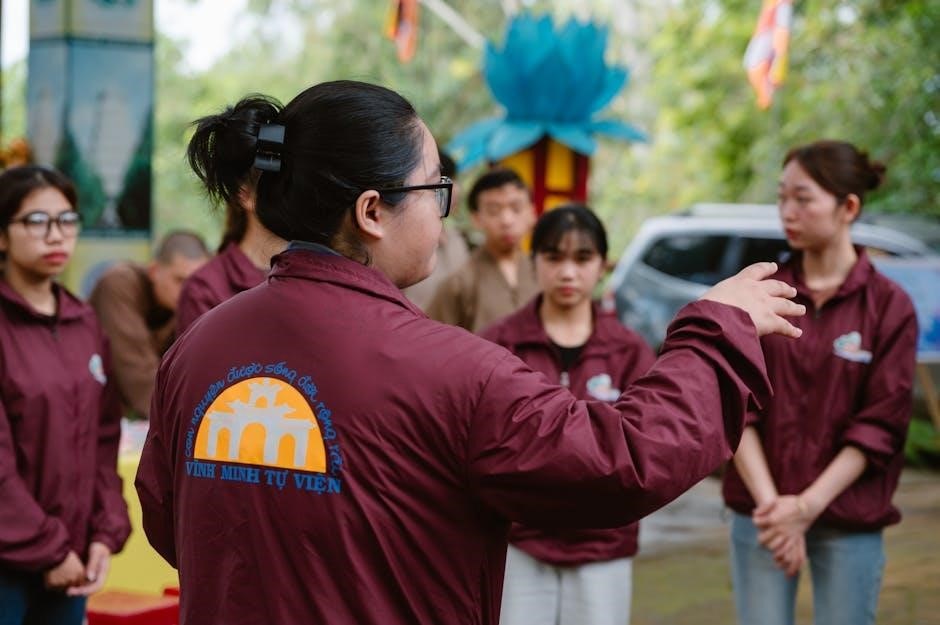
Key Components of a CBI Program
Effective CBI programs integrate IEP goals, transition planning, and active family participation, utilizing real-world settings to teach functional, practical skills for independence.

Individualized Education Program (IEP) Integration
Seamless integration with a student’s IEP is fundamental to successful CBI. CBI activities shouldn’t exist in isolation; instead, they must directly address specific IEP goals and objectives. This means carefully selecting community experiences that provide opportunities to practice and master skills outlined in the IEP.
For example, if an IEP goal focuses on money management, a grocery store visit can be structured to practice identifying prices, making purchases, and calculating change. Regular data collection during CBI sessions provides valuable insights into student progress towards IEP goals, informing instructional adjustments and ensuring accountability.
CBI offers a natural context for demonstrating skill generalization, proving a student can apply learned concepts beyond the controlled classroom environment, a key component of IEP success.
Transition Planning and CBI
CBI is an invaluable component of effective transition planning, particularly for students with special needs preparing for life after school. It bridges the gap between academic learning and the demands of adulthood by providing hands-on experiences in real-world settings.
Transition plans should explicitly incorporate CBI activities aligned with the student’s post-secondary goals – whether that’s employment, further education, or independent living. These experiences allow students to explore potential career paths, develop essential life skills, and build confidence in their abilities.
CBI fosters self-determination by empowering students to make choices and advocate for their needs within the community, crucial skills for successful transitions.
Family Involvement in CBI
Robust family involvement is paramount to the success of any Community-Based Instruction (CBI) program. Families possess unique insights into their child’s strengths, challenges, and preferences, making their input invaluable in tailoring CBI experiences.
Active participation can range from assisting with task analysis at home to accompanying students on community outings, reinforcing skills learned in the instructional setting. Regular communication between educators and families is essential to share progress, address concerns, and collaboratively set goals.
Families can also help identify potential community sites and opportunities that align with the student’s interests and transition needs, extending the learning beyond the school day.
Practical CBI Examples & Settings

CBI thrives in everyday locations! Grocery stores, restaurants, and public transportation offer authentic learning experiences, teaching vital life skills in real-world contexts.
These settings facilitate practical skill development, promoting independence and generalization of learned abilities for students.
Grocery Store CBI Activities
Grocery stores present a wealth of CBI opportunities. Students can practice skills like locating items using shopping lists, comparing prices, and making appropriate purchasing decisions.

Activities might include calculating the total cost of items, using money to pay for groceries, and interacting appropriately with store staff – requesting assistance or asking questions.
Task analysis is key: breaking down complex tasks into smaller, manageable steps. For example, “finding cereal” becomes “walk to cereal aisle,” “locate desired brand,” and “place in cart.”
Furthermore, students can work on social skills like waiting in line patiently and understanding store etiquette. Grocery shopping CBI fosters independence and functional life skills.
These experiences build confidence and prepare students for navigating everyday community environments successfully.
Restaurant/Café CBI Activities
Restaurants and cafés offer rich CBI experiences. Students can practice ordering food and drinks, using menus, and understanding restaurant etiquette – like waiting to be seated and using utensils.
Activities can focus on making appropriate requests (“Can I have a water, please?”), handling money for payment and calculating tips, and managing a bill.
Social interaction is paramount: students learn to communicate effectively with servers and practice polite conversation. They can also practice problem-solving skills, like addressing order inaccuracies.
Furthermore, understanding concepts like portion sizes and healthy food choices can be integrated. Restaurant CBI builds confidence in navigating social situations.
These real-world experiences promote independence and functional skills essential for community participation.
Public Transportation CBI Activities
Utilizing public transportation provides invaluable CBI opportunities. Students learn to navigate bus routes, read schedules, and purchase tickets or passes – essential life skills for independence.
Activities include planning a trip from one location to another, identifying the correct bus or train, and understanding transfer procedures. Safety awareness is crucial, focusing on street crossing and waiting at designated stops.
Social skills are honed through interacting with drivers and fellow passengers, practicing appropriate behavior, and requesting assistance when needed.
Students can also practice money management by calculating fares and making exact change. This builds confidence and promotes self-reliance in accessing community resources.
Successfully navigating public transport fosters a sense of accomplishment and expands access to opportunities.

Implementing Effective CBI Programs
Successful CBI programs require careful planning, including selecting suitable community sites, detailed task analysis, and consistent data collection to monitor student progress effectively.
Selecting Appropriate Community Sites
Choosing the right community locations is paramount for effective CBI implementation. Sites should directly align with the student’s IEP goals and offer opportunities to practice targeted skills in natural contexts.
Consider accessibility, safety, and the willingness of the business or organization to collaborate. Grocery stores, restaurants, and public transportation hubs are common choices, but any real-world setting can be valuable.
Prioritize locations that offer a predictable environment with manageable sensory input, especially for students with sensory sensitivities. Establish clear communication protocols with site staff to ensure a smooth and supportive learning experience.
A preliminary visit to assess the environment and potential challenges is crucial before introducing students to a new CBI site.
Task Analysis and Skill Breakdown
Effective CBI hinges on meticulous task analysis – breaking down complex real-world activities into smaller, manageable steps. This process identifies specific skills needed for successful participation, allowing for targeted instruction.
For example, “buying a coffee” involves skills like locating the café, ordering, handling money, and receiving change. Each step is then further broken down; “ordering” includes making eye contact, stating the order clearly, and waiting patiently.
Skill breakdown ensures students master foundational elements before tackling the entire task; Data collection focuses on these individual steps, providing a clear picture of progress and areas needing support.
This systematic approach maximizes learning and builds confidence, fostering independence in community settings.
Data Collection and Progress Monitoring
Consistent data collection is crucial for evaluating CBI program effectiveness and tailoring instruction to individual student needs. This involves systematically recording performance on targeted skills during community experiences.
Methods range from simple checklists noting task completion to more detailed observations of skill accuracy and independence levels. Mobile devices streamline this process, allowing for real-time data entry in natural settings.
Progress monitoring utilizes this data to track student growth over time, identifying areas of strength and areas requiring further support. Visual representations, like graphs, can illustrate progress clearly.
Regular review of data informs IEP adjustments and ensures CBI remains aligned with student goals, maximizing their potential for success.
The Role of Technology in CBI
Technology enhances CBI through mobile data collection, assistive tools, and virtual reality simulations, providing personalized learning experiences and expanding access to real-world practice.
Using Mobile Devices for Data Collection
Mobile devices are transforming CBI data collection, offering a streamlined and efficient method for educators to track student progress in authentic community settings. Traditionally, data recording relied on paper-based systems, which were often cumbersome and time-consuming to analyze.
Now, tablets and smartphones enable real-time observation and documentation of skills acquisition during CBI activities. Educators can utilize specialized apps to record specific behaviors, levels of independence, and prompts required, directly within the community environment – be it a grocery store or on public transport.
This immediate data capture allows for quick adjustments to instruction and provides a more accurate picture of student performance. Furthermore, digital data is easily aggregated and analyzed, facilitating informed IEP development and progress monitoring, ultimately maximizing the effectiveness of CBI programs.
Assistive Technology for CBI Activities
Assistive technology (AT) plays a crucial role in maximizing student participation and success within Community-Based Instruction (CBI) activities. AT tools bridge the gap between a student’s abilities and the demands of real-world environments, fostering independence and skill development.
For example, communication devices can empower students to make choices and requests in restaurants or stores. Visual supports, delivered via tablets, can provide step-by-step instructions for tasks like navigating public transportation. Furthermore, mobile apps can offer reminders, checklists, and even virtual modeling of desired behaviors.
Selecting appropriate AT requires careful consideration of individual student needs and the specific demands of the CBI setting. When thoughtfully integrated, AT transforms CBI into a truly inclusive and empowering learning experience.
Virtual Reality and Simulated Environments
Emerging technologies like Virtual Reality (VR) and simulated environments are revolutionizing CBI, offering safe and controlled spaces for skill practice. These immersive experiences allow students to rehearse real-world scenarios before venturing into actual community settings, reducing anxiety and building confidence.
Imagine a student practicing grocery shopping in a VR supermarket, learning to identify items, calculate costs, and interact with a virtual cashier. Similarly, simulated bus routes can prepare students for navigating public transportation independently.
VR provides opportunities for repeated practice and error correction without real-world consequences, accelerating skill acquisition. As AI integration advances, these simulations will become even more realistic and personalized, enhancing the effectiveness of CBI programs.
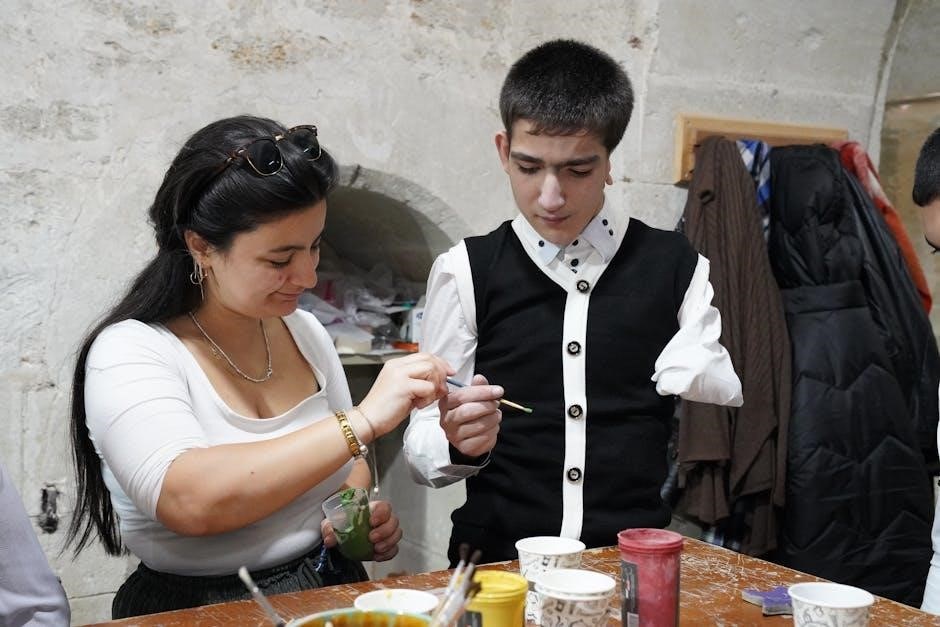
Challenges and Solutions in CBI Implementation
Implementing CBI presents hurdles like securing community partnerships, addressing safety concerns, and navigating funding limitations, requiring proactive solutions and collaborative efforts for success.
Resource allocation and consistent support are vital for sustained program effectiveness and positive student outcomes within real-world learning environments.
Securing Community Partnerships
Establishing strong relationships with local businesses and organizations is paramount for successful Community-Based Instruction (CBI) programs. This often involves proactive outreach to potential partners, clearly articulating the mutual benefits of collaboration. Businesses gain visibility and positive community engagement, while students access invaluable real-world learning experiences.
Initial contact should focus on explaining CBI’s goals and how student participation will be structured, addressing any concerns regarding liability or disruption. Formal agreements outlining roles, responsibilities, and safety protocols are crucial.
Maintaining open communication and providing regular feedback to partners fosters a sustainable relationship. Recognizing and appreciating their contributions – through thank-you notes, public acknowledgement, or volunteer opportunities – strengthens the bond and encourages continued support. Successful CBI relies on these reciprocal, mutually beneficial connections.
Addressing Safety Concerns
Prioritizing student safety is non-negotiable when implementing Community-Based Instruction (CBI). Thorough risk assessments of each community site are essential, identifying potential hazards and developing mitigation strategies. This includes evaluating traffic patterns, pedestrian access, and potential interactions with the public.
Detailed safety protocols must be established and consistently reinforced with students, staff, and community partners. These protocols should cover emergency procedures, appropriate behavior in public settings, and strategies for handling unexpected situations.
Adequate supervision ratios are critical, ensuring staff can effectively monitor students and provide support. Regular training on safety procedures, first aid, and de-escalation techniques is also vital. Proactive planning and vigilant oversight are key to creating a secure learning environment.
Funding and Resource Allocation
Securing adequate funding is a significant challenge for many Community-Based Instruction (CBI) programs. Resources are needed for transportation, staff training, materials, and potential site fees. Exploring diverse funding sources is crucial, including school district budgets, grants, and community partnerships.
Creative resource allocation can maximize impact. Leveraging existing community resources, such as volunteer support or donated materials, can reduce costs. Collaboration with local businesses can provide access to learning environments and potential funding opportunities.
Advocating for increased funding for CBI programs is essential, highlighting the long-term benefits of increased independence and employability for students with special needs. Careful budgeting and strategic resource management are key to program sustainability.
The Future of Community-Based Instruction
CBI’s future involves integrating AI for proactive support, expanding access to diverse populations, and fostering collaboration through conferences like SQLCon and FabCon.
Integration of AI and Proactive Support
Artificial intelligence (AI) is poised to revolutionize Community-Based Instruction (CBI), moving beyond traditional methods to offer truly personalized learning experiences. Imagine AI-powered “community experts” proactively identifying unanswered questions students might have before they encounter challenges in real-world settings.
These agents will utilize deep reasoning to draft helpful responses, accelerating knowledge sharing and fostering a stronger connection between learning and application. This proactive approach ensures students aren’t simply reacting to situations, but are prepared with the necessary skills and understanding.
AI can also assist in analyzing CBI data, identifying skill gaps, and tailoring instruction to individual needs, ultimately maximizing student independence and success within the community. This represents a significant leap towards more effective and responsive CBI programs.
Expanding CBI to Diverse Populations
Community-Based Instruction (CBI), traditionally focused on students with special needs, holds immense potential when broadened to serve a wider range of learners. Adapting CBI principles can benefit individuals facing various challenges – from those needing vocational training to newcomers navigating a new culture.
The core tenets of real-world application, individualized learning, and community integration are universally valuable. Expanding CBI requires careful consideration of diverse learning styles, cultural backgrounds, and accessibility needs.
This inclusive approach fosters equity and empowers all individuals to develop essential life skills, participate meaningfully in their communities, and achieve greater independence. By embracing diversity, CBI can become a powerful tool for social inclusion and lifelong learning.
Community Conferences and Resource Sharing (SQLCon, FabCon, Power Platform Community Conference)
Community-Based Instruction (CBI) thrives on collaboration and shared knowledge, mirroring the spirit of conferences like SQLCon, FabCon, and the Power Platform Community Conference. These events demonstrate the power of collective expertise and proactive support – principles central to effective CBI implementation.
Just as these conferences foster connections between professionals, CBI necessitates strong community partnerships. Sharing best practices, innovative strategies, and resources is crucial for program success.
The emphasis on hands-on learning and real-world application at these conferences aligns perfectly with CBI’s core philosophy. Utilizing platforms for resource sharing and networking can significantly enhance CBI program quality and reach, ultimately benefiting learners.